What are the Common Early Signs of Mold?
Common early signs of mold include musty odors, visible spots or stains, and persistent allergy-like symptoms. These signs often indicate that mold is growing somewhere in your home. Musty odors can often be the first clue; if you notice a persistent damp smell in certain areas, it might be time to investigate further. Visible spots, which can be black, green, or even white, might appear on walls, ceilings, or floors. These spots can be small at first and might resemble dirt or soot. It's crucial not to ignore them, as they can quickly spread if left untreated.
Persistent allergy-like symptoms, such as sneezing, coughing, or nasal congestion, can also be a sign of mold presence. These symptoms often worsen when you are at home and improve when you leave, suggesting that the mold might be the culprit. Homeowners in Fort Lee should regularly inspect areas prone to moisture such as basements, bathrooms, and kitchens. Additionally, checking behind furniture or appliances where mold might be hiding is a good practice. If you notice any signs, it's crucial to act quickly to prevent further spread. Early detection is key in mitigating the potential damage and health risks associated with mold.
Persistent allergy-like symptoms, such as sneezing, coughing, or nasal congestion, can also be a sign of mold presence. These symptoms often worsen when you are at home and improve when you leave, suggesting that the mold might be the culprit. Homeowners in Fort Lee should regularly inspect areas prone to moisture such as basements, bathrooms, and kitchens. Additionally, checking behind furniture or appliances where mold might be hiding is a good practice. If you notice any signs, it's crucial to act quickly to prevent further spread. Early detection is key in mitigating the potential damage and health risks associated with mold.
Where Should You Check for Mold Growth?
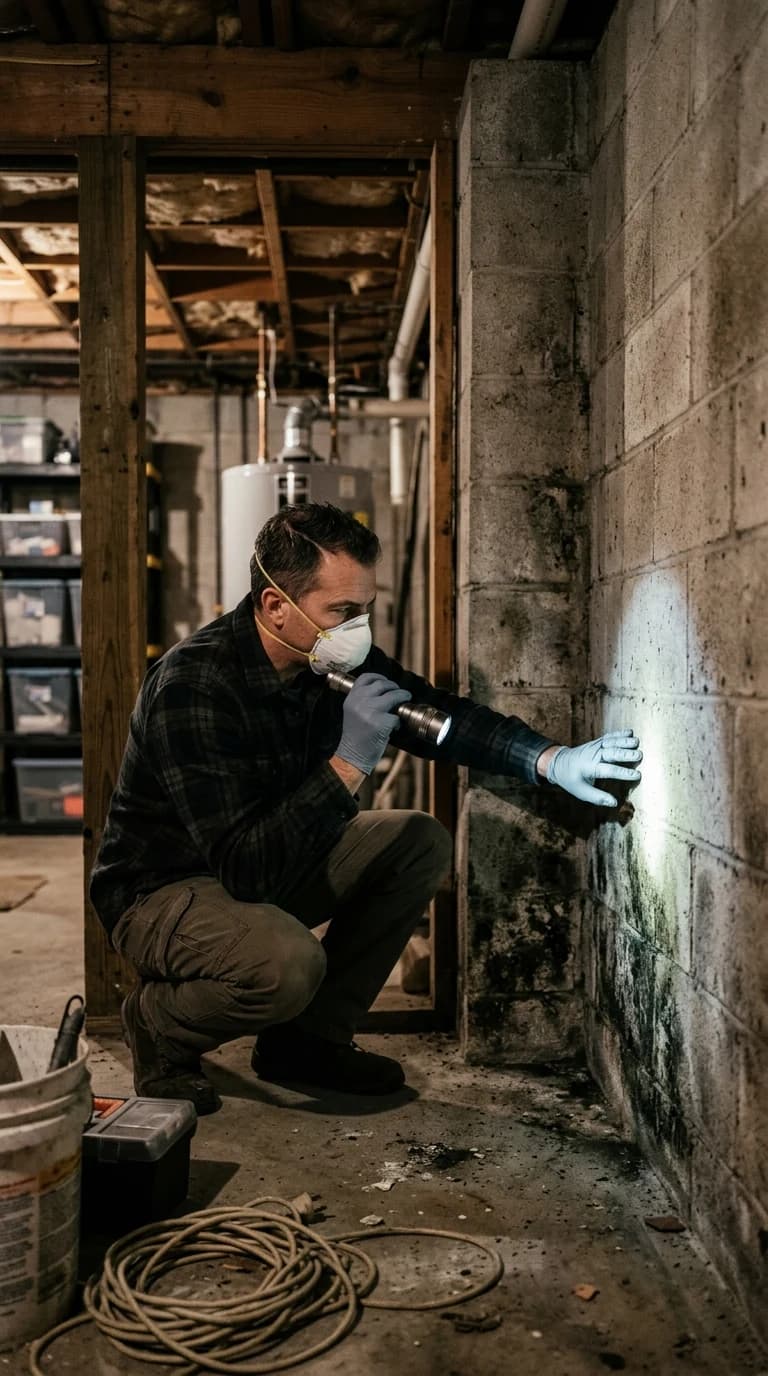
Mold typically grows in places with high moisture levels. It's essential to know where to look to effectively identify potential mold growth. Start by checking under sinks and around plumbing fixtures, as these areas are prone to leaks and condensation. Bathrooms and kitchens, where water use is frequent, are common hotspots for mold. Look for water stains or discoloration on walls and ceilings, which may indicate a hidden leak.
Around windows, especially if they are not sealed properly, condensation can create a perfect environment for mold. Ensure that window frames are dry and free of any moldy patches. Basements, due to their underground location, often have poor ventilation and can be damp, making them prime locations for mold. Inspect basement walls, especially in corners and behind stored items, for any signs of mold.
Areas with past water damage are also susceptible to mold growth. If your home has experienced flooding or leaks, it is vital to check these areas thoroughly. Regular inspections, especially during humid months, can help catch potential mold issues early. For more detailed inspections, consider reaching out to professionals like Fort Lee Mold Removal. Our services can help you manage and prevent mold effectively by providing comprehensive inspections and tailored solutions.
Around windows, especially if they are not sealed properly, condensation can create a perfect environment for mold. Ensure that window frames are dry and free of any moldy patches. Basements, due to their underground location, often have poor ventilation and can be damp, making them prime locations for mold. Inspect basement walls, especially in corners and behind stored items, for any signs of mold.
Areas with past water damage are also susceptible to mold growth. If your home has experienced flooding or leaks, it is vital to check these areas thoroughly. Regular inspections, especially during humid months, can help catch potential mold issues early. For more detailed inspections, consider reaching out to professionals like Fort Lee Mold Removal. Our services can help you manage and prevent mold effectively by providing comprehensive inspections and tailored solutions.
How Can You Prevent Mold from Developing?
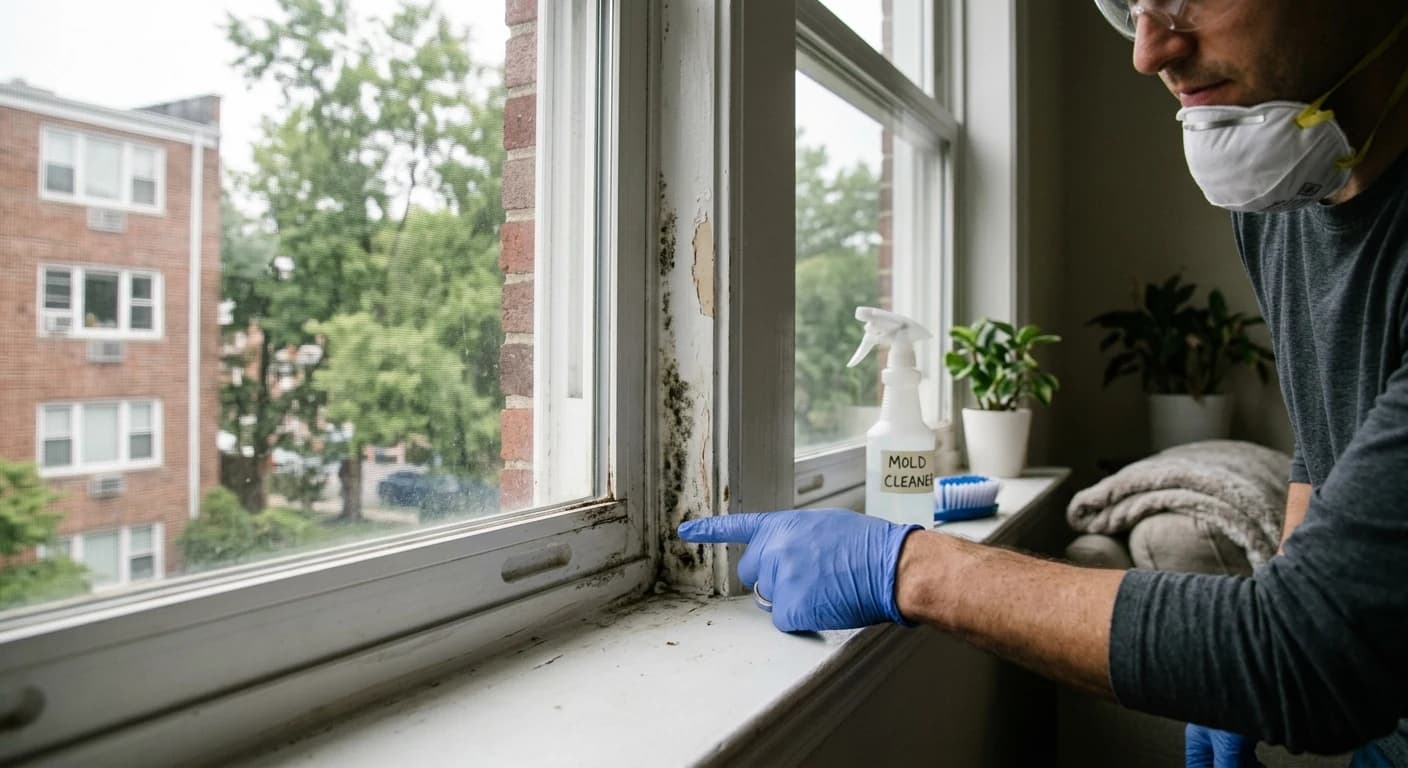
Preventing mold in your home involves several proactive steps. The first line of defense is controlling humidity levels. Mold thrives in environments where humidity exceeds 60%, so it's important to maintain indoor humidity between 30% and 50%. Use dehumidifiers, especially in basements, bathrooms, and other moisture-prone areas, to keep the air dry.
Fixing leaks promptly is crucial. Whether it's a leaky roof, a dripping faucet, or a burst pipe, any water intrusion can lead to mold growth if not addressed quickly. Regularly check and maintain your home's plumbing system to prevent leaks. Additionally, ensure that your home has proper ventilation. Use exhaust fans in bathrooms and kitchens to remove excess moisture and consider installing additional ventilation in areas like attics and basements.
Another preventive measure is to ensure that your home is well-insulated. Proper insulation helps prevent condensation on walls and ceilings. If you notice condensation, it might be a sign that insulation needs to be improved.
Regular maintenance and vigilant observation are key to preventing mold growth. Clean and dry any damp or wet materials within 24 to 48 hours to prevent mold from gaining a foothold. Consider using mold-resistant products, such as mold-resistant drywall or paint, in areas prone to moisture. By taking these steps, you can significantly reduce the risk of mold developing in your home.
Fixing leaks promptly is crucial. Whether it's a leaky roof, a dripping faucet, or a burst pipe, any water intrusion can lead to mold growth if not addressed quickly. Regularly check and maintain your home's plumbing system to prevent leaks. Additionally, ensure that your home has proper ventilation. Use exhaust fans in bathrooms and kitchens to remove excess moisture and consider installing additional ventilation in areas like attics and basements.
Another preventive measure is to ensure that your home is well-insulated. Proper insulation helps prevent condensation on walls and ceilings. If you notice condensation, it might be a sign that insulation needs to be improved.
Regular maintenance and vigilant observation are key to preventing mold growth. Clean and dry any damp or wet materials within 24 to 48 hours to prevent mold from gaining a foothold. Consider using mold-resistant products, such as mold-resistant drywall or paint, in areas prone to moisture. By taking these steps, you can significantly reduce the risk of mold developing in your home.
What Should You Do If You Find Mold?
If you discover mold in your home, it's important to act quickly and efficiently to prevent further spread and potential health risks. Start by assessing the extent of the mold growth. For small areas, typically less than 10 square feet, you might be able to handle the cleanup yourself. Use protective gear such as gloves, goggles, and an N95 respirator to avoid inhaling mold spores. Clean hard surfaces with a mixture of water and detergent, and ensure the area is dried thoroughly afterward.
For larger infestations or if the mold is located in areas difficult to clean, such as inside walls or HVAC systems, it's advisable to contact a professional mold remediation service. Professionals have the necessary tools and expertise to safely and effectively remove mold, preventing it from returning. Additionally, they can help identify and address the underlying moisture issue that caused the mold growth.
It's crucial to not just remove the mold but also fix the moisture problem that led to its development. This might involve repairing leaks, improving ventilation, or using dehumidifiers. Remember, simply painting over mold is not a solution, as it will likely reappear if the underlying issues aren't addressed. Taking swift action can help protect your home and health from the adverse effects of mold.
For larger infestations or if the mold is located in areas difficult to clean, such as inside walls or HVAC systems, it's advisable to contact a professional mold remediation service. Professionals have the necessary tools and expertise to safely and effectively remove mold, preventing it from returning. Additionally, they can help identify and address the underlying moisture issue that caused the mold growth.
It's crucial to not just remove the mold but also fix the moisture problem that led to its development. This might involve repairing leaks, improving ventilation, or using dehumidifiers. Remember, simply painting over mold is not a solution, as it will likely reappear if the underlying issues aren't addressed. Taking swift action can help protect your home and health from the adverse effects of mold.
Understanding the Health Impacts of Mold Exposure
Mold exposure can have a variety of health impacts, particularly for individuals with pre-existing respiratory conditions, allergies, or compromised immune systems. Common symptoms of mold exposure include nasal congestion, coughing, throat irritation, and skin rashes. These symptoms can often be mistaken for common colds or seasonal allergies, making it crucial to consider mold as a potential cause if symptoms persist, especially when you're at home.
In more severe cases, mold exposure can lead to respiratory infections or exacerbate conditions like asthma. Children, the elderly, and those with weakened immune systems are particularly vulnerable to the health effects of mold. If you or your family members experience persistent health issues that improve when away from home, it might be worth investigating mold as a potential culprit.
To mitigate these health risks, ensure that your home is regularly inspected for mold, particularly in areas prone to moisture. If you suspect mold might be affecting your health, consult with a healthcare professional who can provide guidance on managing symptoms and reducing exposure. Maintaining a mold-free environment is not only crucial for your home's integrity but also for your family's health and well-being.
In more severe cases, mold exposure can lead to respiratory infections or exacerbate conditions like asthma. Children, the elderly, and those with weakened immune systems are particularly vulnerable to the health effects of mold. If you or your family members experience persistent health issues that improve when away from home, it might be worth investigating mold as a potential culprit.
To mitigate these health risks, ensure that your home is regularly inspected for mold, particularly in areas prone to moisture. If you suspect mold might be affecting your health, consult with a healthcare professional who can provide guidance on managing symptoms and reducing exposure. Maintaining a mold-free environment is not only crucial for your home's integrity but also for your family's health and well-being.
The Role of Professional Mold Testing
While DIY methods can help identify visible mold, professional mold testing offers a comprehensive assessment of your home's air quality and potential hidden mold issues. Experts use specialized equipment to detect mold spores that are not visible to the naked eye, providing a clearer picture of the extent of mold presence. This is particularly beneficial in cases where the mold is suspected but not visible, such as within walls or under flooring.
Professional mold testing typically involves air sampling and surface sampling. Air samples measure the concentration of mold spores in the air, while surface samples help identify specific types of mold. Knowing the type of mold is crucial, as some molds are more harmful than others and require different remediation strategies. Professionals can also assess the moisture levels in your home, identifying areas that are at risk of mold growth.
Choosing a reputable mold testing service is important. Look for certified professionals with experience in mold assessment. In New Jersey, for example, hiring a local expert familiar with the climate and common mold issues can be advantageous. Once testing is complete, professionals can provide a detailed report and recommend a course of action, whether it involves simple remediation or more extensive repairs. Investing in professional testing can save you time and money in the long run by ensuring that mold problems are addressed effectively and efficiently.
Professional mold testing typically involves air sampling and surface sampling. Air samples measure the concentration of mold spores in the air, while surface samples help identify specific types of mold. Knowing the type of mold is crucial, as some molds are more harmful than others and require different remediation strategies. Professionals can also assess the moisture levels in your home, identifying areas that are at risk of mold growth.
Choosing a reputable mold testing service is important. Look for certified professionals with experience in mold assessment. In New Jersey, for example, hiring a local expert familiar with the climate and common mold issues can be advantageous. Once testing is complete, professionals can provide a detailed report and recommend a course of action, whether it involves simple remediation or more extensive repairs. Investing in professional testing can save you time and money in the long run by ensuring that mold problems are addressed effectively and efficiently.
DIY Mold Removal Tips
If you've identified a small mold issue in your home, you might consider tackling the problem yourself with some practical DIY methods. First, ensure you have the right protective gear, including gloves, goggles, and an N95 respirator, to prevent exposure to mold spores. It's crucial to take safety precautions seriously, even for small mold areas, to protect your health.
Begin by isolating the affected area to prevent mold spores from spreading to other parts of your home. Close doors and windows and seal off air vents. Next, mix a cleaning solution using one cup of bleach in a gallon of water. Apply the solution to the moldy area with a brush or sponge, scrubbing thoroughly to remove the mold. For surfaces where bleach is not suitable, such as wood, consider using a mixture of vinegar and baking soda.
After cleaning, ensure the area is dried completely to prevent mold from returning. Use fans or dehumidifiers to speed up the drying process. Dispose of any cleaning materials or items that cannot be thoroughly cleaned, such as moldy fabrics or porous materials, to avoid recontamination.
While DIY methods can be effective for minor mold problems, remember that larger infestations or mold in hard-to-reach areas should be handled by professionals. Regular monitoring and maintenance, combined with these DIY tips, can help keep your home mold-free and ensure a healthy living environment.
Begin by isolating the affected area to prevent mold spores from spreading to other parts of your home. Close doors and windows and seal off air vents. Next, mix a cleaning solution using one cup of bleach in a gallon of water. Apply the solution to the moldy area with a brush or sponge, scrubbing thoroughly to remove the mold. For surfaces where bleach is not suitable, such as wood, consider using a mixture of vinegar and baking soda.
After cleaning, ensure the area is dried completely to prevent mold from returning. Use fans or dehumidifiers to speed up the drying process. Dispose of any cleaning materials or items that cannot be thoroughly cleaned, such as moldy fabrics or porous materials, to avoid recontamination.
While DIY methods can be effective for minor mold problems, remember that larger infestations or mold in hard-to-reach areas should be handled by professionals. Regular monitoring and maintenance, combined with these DIY tips, can help keep your home mold-free and ensure a healthy living environment.