How Does Mold Affect Health?
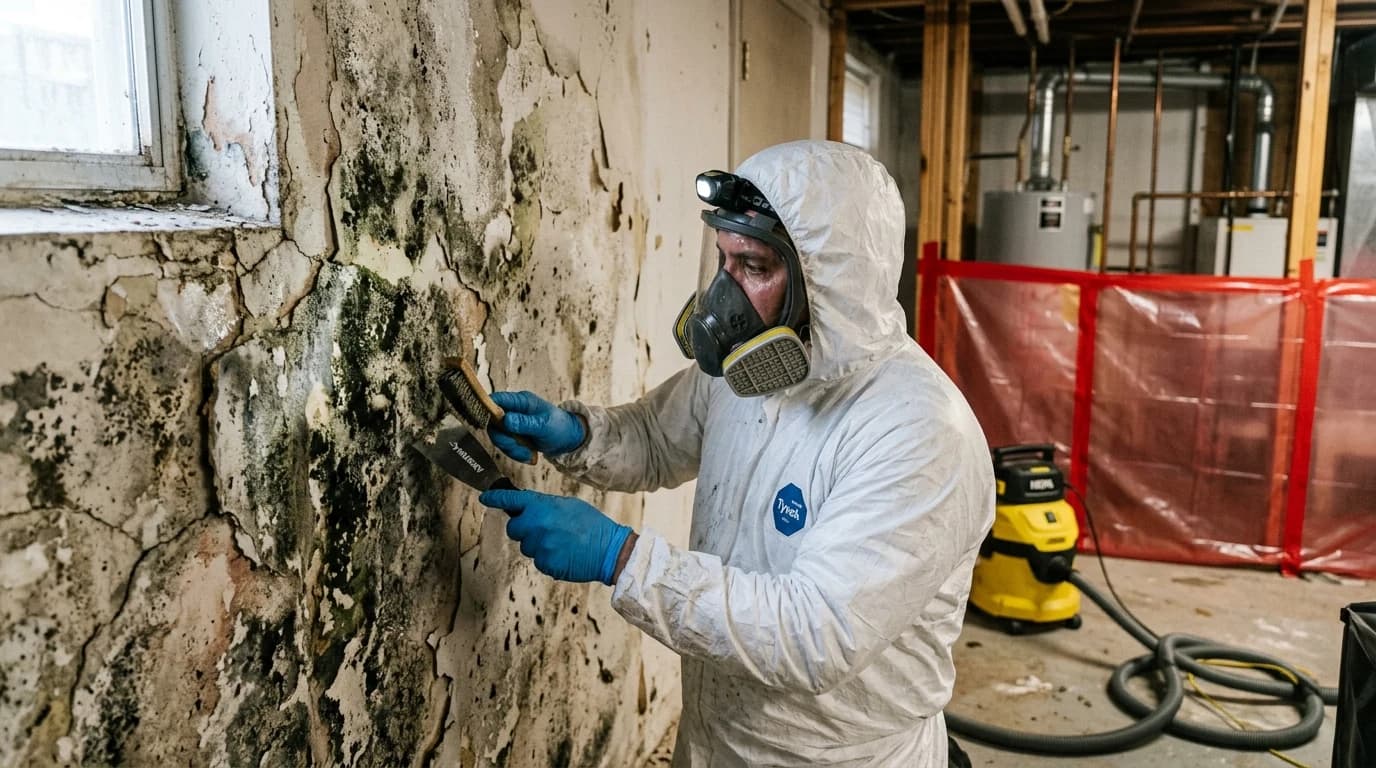
Mold exposure can cause respiratory issues, allergic reactions, and worsen asthma symptoms. In Fort Lee, where humidity can be high, it's crucial to address mold issues quickly to safeguard your family's health. Mold spores are microscopic and can easily become airborne, entering the respiratory system and causing a range of health problems. In sensitive individuals, such as those with existing respiratory conditions, exposure can lead to severe reactions, including difficulty breathing and chest tightness. Additionally, mold can trigger allergic reactions in otherwise healthy individuals, presenting as sneezing, itchy eyes, and skin rashes. Over time, chronic exposure to mold can lead to more serious conditions, such as chronic sinus infections or even neurological problems. Children and the elderly are particularly vulnerable due to their developing or weakened immune systems. Therefore, maintaining a mold-free environment is not just about comfort; it is a critical component of health care.
What Structural Damages Can Mold Cause?
Mold can compromise structural integrity by eating away at materials it grows on, like wood and drywall. Over time, this can lead to costly repairs. Mold thrives in damp, dark environments, often going unnoticed until significant damage has occurred. It penetrates surfaces, breaking down the cellulose in wood and causing it to weaken and rot. This can affect the structural safety of your home, leading to sagging floors, warped walls, and even collapse in severe cases. In addition to wood, mold also affects drywall, causing it to crumble and deteriorate. This not only compromises the aesthetics of your home but also its safety. Regular inspections, especially in areas prone to moisture such as basements, bathrooms, and attics, are essential. A proactive approach is to regularly inspect and maintain your home. Consider consulting with experts like Fort Lee Mold Removal to understand the extent of any mold problem and explore our services for effective solutions. Acting swiftly can prevent extensive damage and maintain the integrity of your home.
Why is Timely Mold Removal Important?
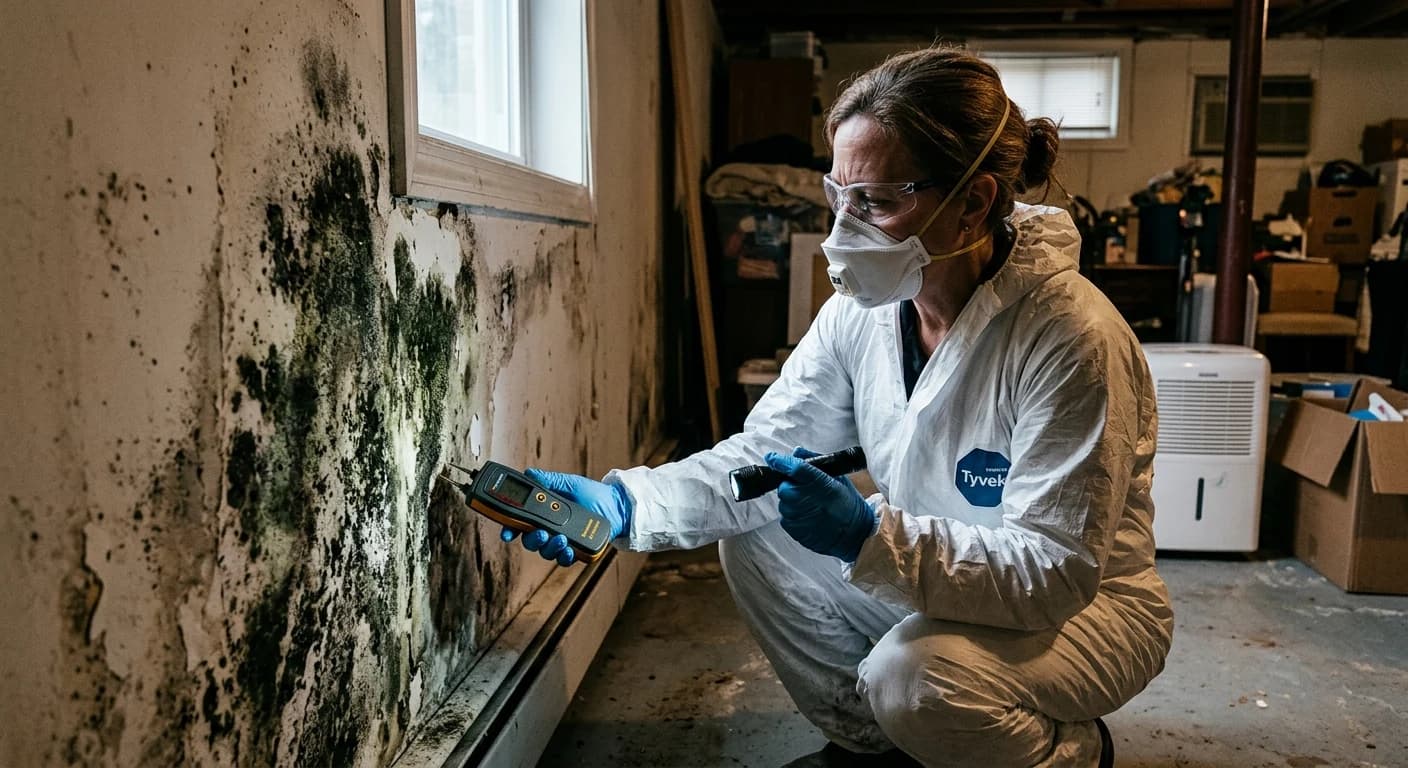
Timely mold removal is vital to prevent further damage and higher costs. Mold spreads quickly in favorable conditions, so addressing it early can save you significant expenses and protect your home's value. Mold can begin to grow within 24 to 48 hours in the right conditions, and its spores can travel through the air, spreading the infestation to other areas of your home. This rapid spread means that what starts as a small, manageable issue can quickly escalate into a widespread problem. Early intervention not only mitigates the extent of damage but also reduces the cost of remediation. The longer mold is allowed to grow, the more complex and costly the removal process becomes, often requiring extensive repairs and replacements of affected materials. Moreover, timely removal helps preserve the air quality in your home, ensuring a healthy living environment. If you suspect mold in your home, it's crucial to contact professionals promptly to assess and address the situation. By investing in timely mold removal, you protect your home and your family's well-being.
How to Prevent Mold Growth in Your Home
Preventing mold growth is a proactive way to protect your home and health. The key is to control moisture levels, as mold thrives in damp environments. Start by addressing any leaks in your plumbing or roof, as even small drips can create the perfect breeding ground for mold. Ensure your home is well-ventilated, especially in areas prone to moisture like bathrooms and kitchens. Use exhaust fans or open windows to reduce humidity. Dehumidifiers can also be a valuable tool in maintaining optimal indoor humidity levels, ideally between 30% and 50%. Regularly clean and dry areas that are susceptible to mold, such as shower curtains and bathroom tiles. Additionally, consider using mold-resistant products, such as mold-inhibiting paints and primers, especially in areas that are more likely to be affected. It's also important to regularly inspect and clean gutters to prevent water accumulation that can seep into your home. By taking these preventive measures, you can significantly reduce the risk of mold growth, safeguarding both your property and your family's health.
Choosing the Right Mold Remediation Service
Selecting a reputable mold remediation service is crucial for effectively tackling mold issues. Start by researching companies that specialize in mold removal, ensuring they have the necessary certifications and experience. Look for services that offer comprehensive assessments, as understanding the full extent of the mold problem is essential for effective treatment. A good company will provide a detailed plan outlining the steps they will take to remove the mold and prevent future growth. Ask about the methods they use, ensuring they follow industry standards and use safe, effective products. It's also beneficial to choose a service that offers post-remediation testing to confirm that the mold has been successfully removed. Customer reviews and testimonials can provide insight into the company's reliability and quality of work. In New Jersey, where humidity can contribute to mold issues, it's particularly important to choose a local service familiar with the specific challenges of the area. By selecting the right mold remediation service, you can ensure the problem is addressed thoroughly and professionally, protecting your home and health.
Understanding Mold's Impact on Indoor Air Quality
Mold significantly affects indoor air quality, which can have long-lasting implications for health and comfort in your home. When mold spores are present in the air, they can be inhaled, leading to respiratory issues and other health problems. This is particularly concerning in enclosed spaces where ventilation may be limited, allowing mold spores to accumulate to dangerous levels. To mitigate this issue, it's essential to ensure your home is well-ventilated. Regularly changing air filters in your HVAC system can help capture spores, preventing them from circulating throughout your home. Additionally, consider investing in air purifiers equipped with HEPA filters, which are highly effective at trapping airborne mold particles. It's also vital to address any sources of moisture that could encourage mold growth, such as leaks or condensation. By maintaining a dry environment and ensuring good airflow, you can significantly improve indoor air quality, reducing the risk of mold-related health issues. Regular monitoring of humidity levels, ideally keeping them between 30% and 50%, can further prevent mold growth and its impact on air quality.
Steps to Take If You Discover Mold in Your Home
Discovering mold in your home can be alarming, but taking immediate action is crucial to minimizing its impact. The first step is to assess the extent of the mold growth. Small patches can sometimes be handled on your own with the right cleaning solutions, such as a mixture of water and vinegar or commercially available mold removers. However, for larger infestations, it's advisable to contact a professional mold remediation service. Before starting any cleanup, ensure you have the proper protective gear, including gloves, masks, and goggles, to prevent exposure to mold spores. Seal off the affected area to prevent spores from spreading to other parts of your home. If you're in Fort Lee or other humid areas, this is particularly important due to the rapid spread mold can experience in such climates. Document the extent of the mold with photos, as this can be helpful for insurance claims or when consulting with professionals. Once the mold is removed, address any underlying moisture issues to prevent recurrence. Whether it's fixing leaks, improving ventilation, or using dehumidifiers, these measures are essential for long-term mold prevention.